A private label order changes the artwork. It does not change the oil, the batch record or the test that released it. Buyers new to private label tend to assume the opposite, that a label with their name on it comes from a different line or a shorter process, and the questions arrive in the wrong order as a result.
This page separates the three things that stay identical from the four that move, sets out how a first article gets approved, and states the one thing a private label cannot do.
| What it means in practice | |
|---|---|
| Stays identical | Grade and formulation, batch documents, the plant and the test that released the batch |
| Moves | Pack size, label artwork and language, case and pallet build, the name on the front |
| Cannot be changed by a label | The grade range we actually make, and whether a machine's warranty requires the OEM brand |
The grade is the same grade. A private label order for QSL-68H is filled from QSL-68H, tested against the same specification, and released on the same certificate of analysis as an order carrying our own name. Nothing about the artwork changes the viscosity the buyer receives, which is why the certificate is the document to check rather than the label.
The batch record survives the relabelling. Production runs at our own blending plant in Foshan, with an annual capacity of 6,000 tonnes, and both the incoming base oils and the finished batch are tested before release. The plant holds its own laboratory and inspection equipment. A batch number is issued against that record, and the number on the pack has to match the number on the certificate.
The documentation set is unchanged. A technical data sheet and an SDS go with the quotation, and a COA is issued per batch. Where a destination or a carrier requires origin, CE or a transport identification report, those are issued with the shipment on a private label order exactly as on any other.
| Stays identical | Why it has to | How a buyer checks it |
|---|---|---|
| Grade and formulation | Relabelling is not reformulating | Certificate of analysis for the batch |
| Batch number and trace | The record is what a repeat order is checked against | Batch number on the pack against the COA |
| Incoming and outgoing testing | The release decision is made before packing | Ask which batches were tested and what the result was |
Four things change, and each of them has to be settled before printing rather than after.
Pack size, because the label has to match the fill. Fills run from 1 L bottles and 5 L cans through 20 L pails to 208 L drums, and a private label run is set up for one fill at a time. Artwork drawn for a 20 L pail does not drop onto a 5 L can, and a run that starts from the wrong template loses a print cycle.
Artwork and language, which are yours to set. The label fields that have to be right are the brand, the grade, the net content and any regulatory statement your market requires. What we will not do is print a grade code that does not correspond to what is in the container.
Case and pallet build, because it changes the freight calculation as much as the oil volume does. How many units to a case, how many cases to a pallet, and whether the pallet is wrapped and strapped are all decided with the quotation.
The name on the front, which is the point of the exercise and the smallest part of it.
| Moves | What you decide | What we need from you |
|---|---|---|
| Pack size | 1 L, 5 L, 20 L, 208 L | The fill, chosen before artwork |
| Artwork and language | Brand, layout, market statements | Artwork submitted against that fill |
| Case and pallet build | Units per case, cases per pallet | Confirmation at quotation |
| Label copy | Grade code, net content | Agreement that the grade code matches the fill |
The order the four are settled in has consequences. Artwork goes to print last, after the fill is fixed and the grade is confirmed, because a label that carries a grade code nobody has checked is the expensive version of a mistake. Printing early to save a week on a trial order is how a run ends up with a thousand labels for a fill that changed.
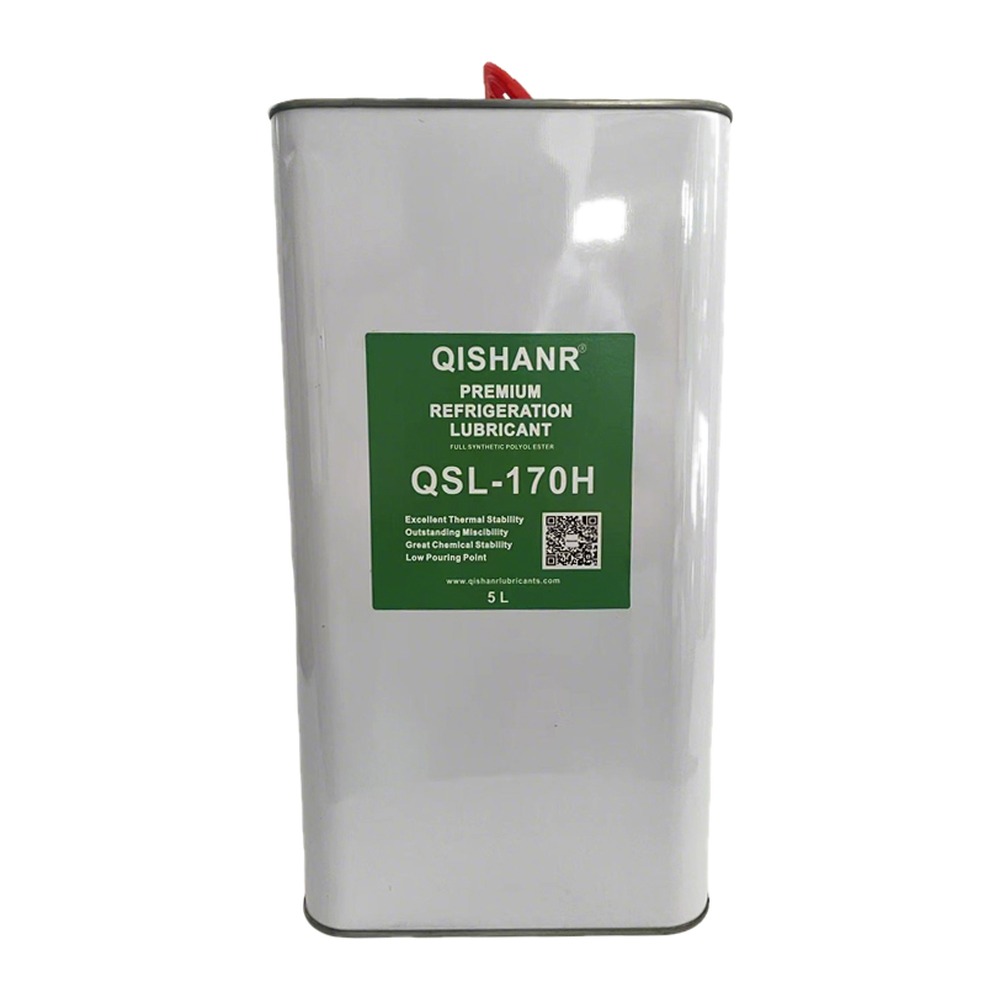
The approval step is where a private label order is won or lost, because everything after it is repetition. The sequence is short and it runs in one direction: state the grade and the fill, submit artwork against that fill, approve the first filled and labelled container.
At the first article, these are the things worth putting on the bench rather than reading off a screen.
| Check | What right looks like |
|---|---|
| Container | The pack size on the order, not the nearest one to hand |
| Label text | Brand, grade and net content read exactly as approved, with no substituted grade code |
| Batch and dates | Batch number, production date and any retest date present and legible |
| Seal | Intact, and the closure the specification calls for |
| Case and pallet | The count per case and per pallet that the quotation states |
| Record | The approved article photographed or filmed, so later runs have something to compare against |
A first article that passes on the bench is what makes a repeat order a reorder rather than a new project. A first article that passes only in a photograph tends to fail on arrival.
A private label order is expensive the first time and close to routine afterwards, because three things stay on file. The approved artwork, tied to a fill, no longer needs setting. The approved first article gives later runs a physical reference rather than a memory of one. The pack and pallet build is recorded in the quotation, so the freight figure does not have to be rebuilt.
What does not carry over is the grade check, and it should not. If the machine changes, or the refrigerant does, the grade is re-confirmed against the new nameplate before the existing artwork is reused, because the artwork carries a grade code and the code has to match what went in.
Two boundaries are worth stating before an order rather than after.
A private label does not turn a general-purpose oil into an OEM-approved one. If a compressor is still inside warranty, or the acceptance file names the compressor maker's own grade, our label on the drum does not change what that document requires. In one plant we supplied, the units still inside warranty stayed on the original grade and only the out-of-warranty machines moved, which is the pattern worth copying.
A private label also cannot produce a viscosity we do not make. The range below is what the plant actually fills, and a grade outside it is a no rather than a lead time.
| Series | Viscosity grades available |
|---|---|
| POE (QSL) | VG10-15, 22, 32, 46, 68, 100, 120, 150, 170, 220, 320 |
| PAG | VG46, 52, 56, 68, 100, 150, 320 |
| PVE | VG22, 32, 46, 68, 100, 220 |
| PAO | VG4-10, 15-32, 46, 68, 100, 150, 220, 300, 460 |
| MO | VG12-15, 22, 32, 46, 56, 68, 100 |
| AB | VG32, 46, 68, 100, 150 |
The gap matters most at the thin end of the PAG range and above VG320 in POE, because those are the requests where a buyer assumes a supplier can simply make one more grade. We would rather answer that at the enquiry than after the artwork has been approved.
Send the machine model or the grade, the fill you want, whether artwork exists yet, and the quantity. The grade check runs against your compressor documentation, the pack and pallet build is confirmed with the quotation, and the artwork goes to print only after both. The OEM and private label page carries the supplier-side view, and the bulk supply program page sets out the terms around pack ranges and order quantities.
If the grade is still open, the HVACR lubrication selector matrix maps the common OEM references before the first email.
Yes. The grade, formulation, batch test and certificate are the ones for that grade. What changes is the pack and the printed artwork.
On any grade in the range table above. We will not print a grade code that does not correspond to the fill, and a viscosity outside that table is not available.
The grade or the machine model, the fill, the quantity, the destination port, and whether artwork already exists. Artwork that exists still has to be checked against the fill before print.
A sample container is filled and labelled, then checked against the approved artwork and the pack specification. The count per case, the pallet build and the seal are part of that check, and the approved article is recorded so later runs have a reference.
Warranty terms come from the compressor maker and are not changed by the name on the drum. Check them before the oil is changed, and leave units inside warranty on the grade the maker requires.
Copyright & Citation Notice. This article is original content published by Qishanr Lubricants (qishanrlubricants.com). Production capacity, lab testing, document and viscosity ranges are the published values from Guangzhou Qishanr Technologies Co., Ltd. Quotation of up to 200 words is permitted with attribution and a link to this page. Reproduction in full requires written permission.